
Meet our Affiliate Members


Allison Ezzat, PT, MSc, PhD
Implementation Scientist, BCIRPU
Clinical Associate Professor, Department of Physical Therapy, UBC
Dr. Ezzat’s research applies implementation science methodologies to advance the primary prevention of knee injuries in adolescents in real-world settings. She has a focus on reducing gender disparity for girls/women in injury risk and decreasing the long-term injury burden (e.g., knee osteoarthritis). She prioritizes meaningful engagement with research users across the research process to maximize impact.
Dr. Ezzat completed her PhD in School of Population and Public Health, UBC in 2019, followed by post-doctoral training at UBC Centre for Health Services and Policy Research and La Trobe University, Melbourne, Australia. She obtained a Graduate Certificate in Implementation Science, University of California. She is a Fellow in the Canadian Academy of Manual and Musculoskeletal Physical Therapists (FCAMPT) and has practiced clinically throughout her academic training specializing in management of knee injuries across the lifespan.
Ediriweera Desapriya, PhD
Research Associate, BCIRPU
Dr. Desapriya is a public health researcher. With a career rooted in evidence-based advocacy, his research has informed global policy discussions on nature prescribing, pediatric artificial intelligence (AI) safety, fire injury prevention, and occupational health. Dr. Desapriya is a leading voice in shaping responsible AI deployment in mental health. His recent publications critically examine the overlooked risks of generative AI in pediatric care and algorithmic bias affecting vulnerable populations. He is committed to equity, clinical safety, and system-level change, bridging the gap between emerging technologies and compassionate care. Currently, Dr. Desapriya is conducting research on pediatric neurodevelopmental conditions within the BC Ministry of Children and Family Development, where his work informs policy and service design for children with developmental challenges. He also is an academic editor for a peer-reviewed medical journal within the Wolters Kluwer Lippincott portfolio.

Len Garis
Senior Advisor, Canadian Centre for Justice and Community Safety Statistics, Statistics Canada
Director of Research, National Indigenous Fire Safety Council
Chief Garis is Retired Fire Chief for the City of Surrey. He is currently a Senior Advisor for the Canadian Centre for Justice and Community Safety Statistics at Statistics Canada, Director of Research for the National Indigenous Fire Safety Council. He has academic affiliations with the University of the Fraser Valley and John Jay College in New York.

Mariana Brussoni, BA(Hon), MA, PhD
Professor, Department of Pediatrics and School of Population and Public Health, UBC
Director, Human Early Learning Partnership
Dr. Brussoni is a Professor at UBC, Director of the Human Early Learning Partnership (HELP), and a founding member of Outdoor Play Canada. She is a developmental psychologist, whose award-winning research focuses on the benefits of unstructured, outdoor play on children’s development and addresses the barriers that get in the way of children playing outside. Dr. Brussoni leads the Outside Play Lab, a team of researchers dedicated to studying children’s outdoor risky play and injury prevention. She was the recipient of the UBC Faculty of Medicine Service to the University and Community Award (2024), the US Play Coalition’s 2024 Joe L. Frost Award for distinguished research, and the inaugural Outdoor Play Canada Dr. Mariana Brussoni Award (2019), named in her honour. Her work has contributed to the recent Position Statement by the Canadian Paediatric Society on the importance of outdoor risky play.
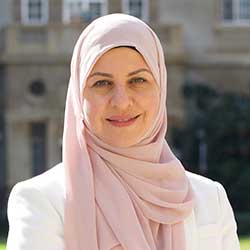
Samar Al-Hajj, PhD
Assistant Research Professor, Faculty of Health Sciences, American University of Beirut
Dr. Hajj is an Assistant Research Professor at the Faculty of Health Sciences at the American University of Beirut. She is the founding Director for Middle East and North Africa Program for Advanced Injury Research (MENA PAIR), an NIH-funded program to advance the science and practice of injury research in Lebanon and the MENA region. Currently, Dr. Al-Hajj lives in Beirut, and leads research projects examining the epidemiology and prevalence of various injury causes, including traffic-related injuries, war-related injuries, drowning, burns, and falls in Lebanon and the MENA region. Dr. Hajj has worked extensively with the refugee community to understand the burden of injuries among vulnerable populations living in humanitarian settings. She is the recipient of several international and regional awards, including the 2025 Achievement in Low- and Middle-Income Country Road Safety Award from the Association for the Advancement of Automotive Medicine (AAAM).
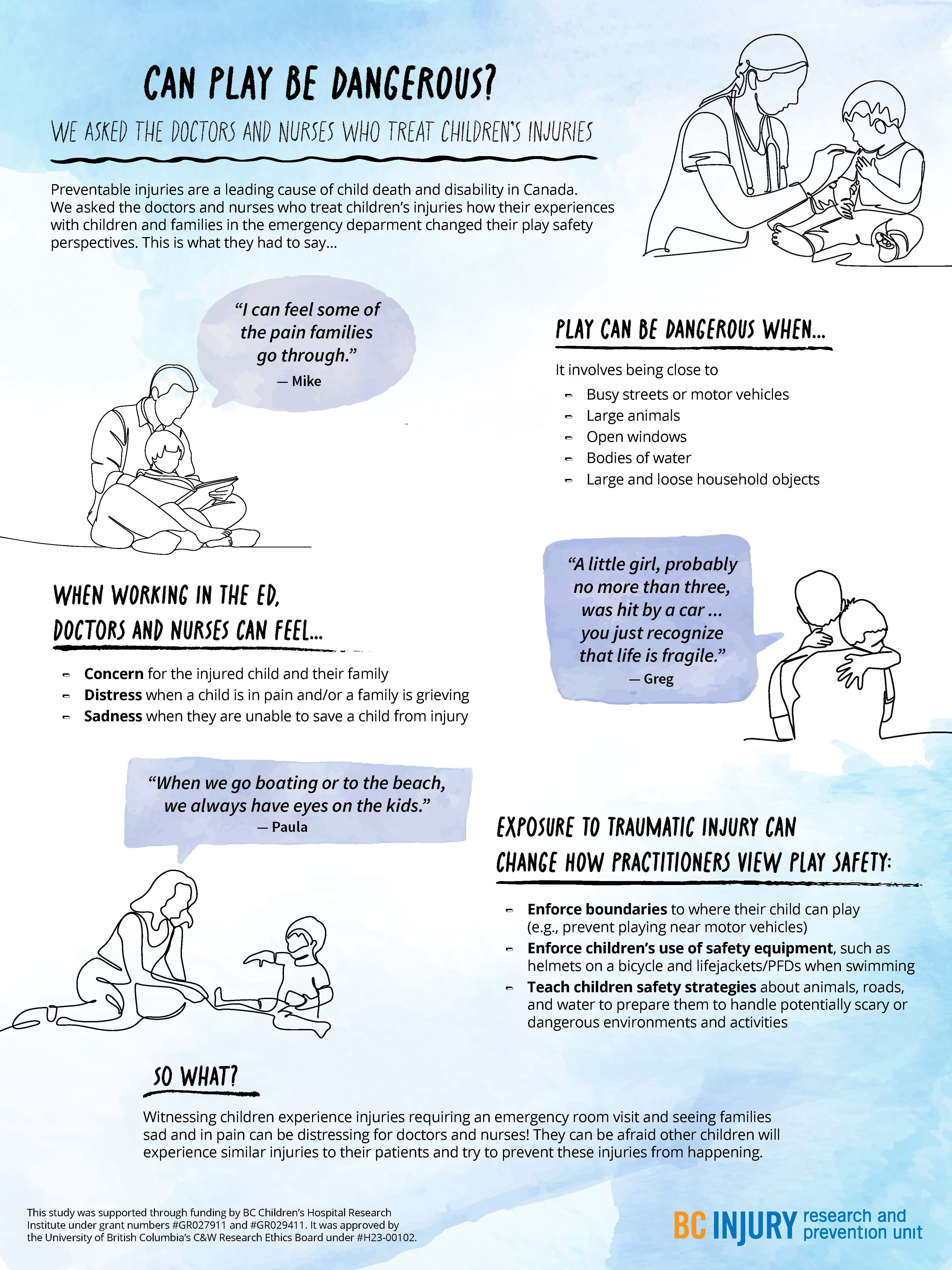
- distress when a child was in pain and when a family was grieving; and
- sadness in the event they were not able to save a child in their care.
- concern for the injured child and the child’s family;
Particularly traumatic events, such as those involving vivid sights and sounds (e.g., families holding each other and having extreme reactions), stuck with the practitioners, having long-lasting impressions on them and causing them to re-live these events in the years following their exposure.
Even after their shift was over, practitioners said that they changed how they approached parenting and how they perceived safety during play as a result of witnessing these traumatic events. They reported having more knowledge of the causes and consequences of severe injuries, such as those that require hospitalization or emergency care. For example, practitioners were more likely to enforce boundaries around where their children could play, such as by forbidding their child to play near busy streets. They also were more likely to tell their child about safe play environments and equipment, and put this equipment on their child before play, such as explaining the benefits of using helmets while riding bikes.
Practitioners were more likely to enforce boundaries around where their children could play, and use safety equipment, such as bike helmets.
Practitioners also described being concerned about their children’s play near open windows, around large bodies of water unsupervised, and in environments where firearms were present. They also expressed worry about their children’s play on trampolines and on motorized vehicles, such as ATVs. Findings related to trampoline play safety concerns were published in the journal Injury Prevention.
Observing family grief due to child injury or death affected the mental well-being of health care practitioners, drawing attention to the need for mental health supports for those involved in caring for severely injured and dying patients.

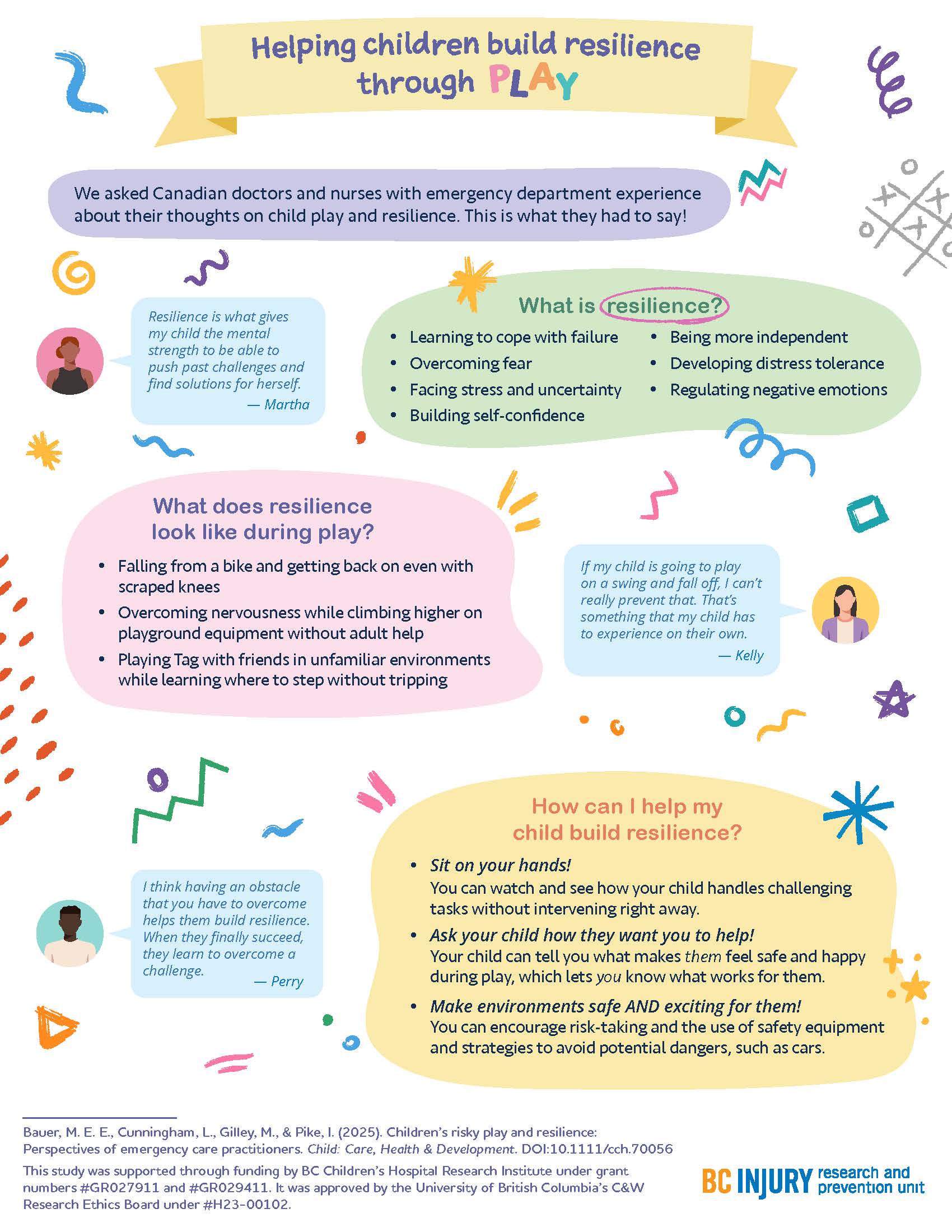
"Raise more resilient children through play...watch and see how your child handles challenging tasks without intervening right away." —Dr. Michelle Bauer
Building resilience through play
How can parents help their children build resilience? By letting them play!
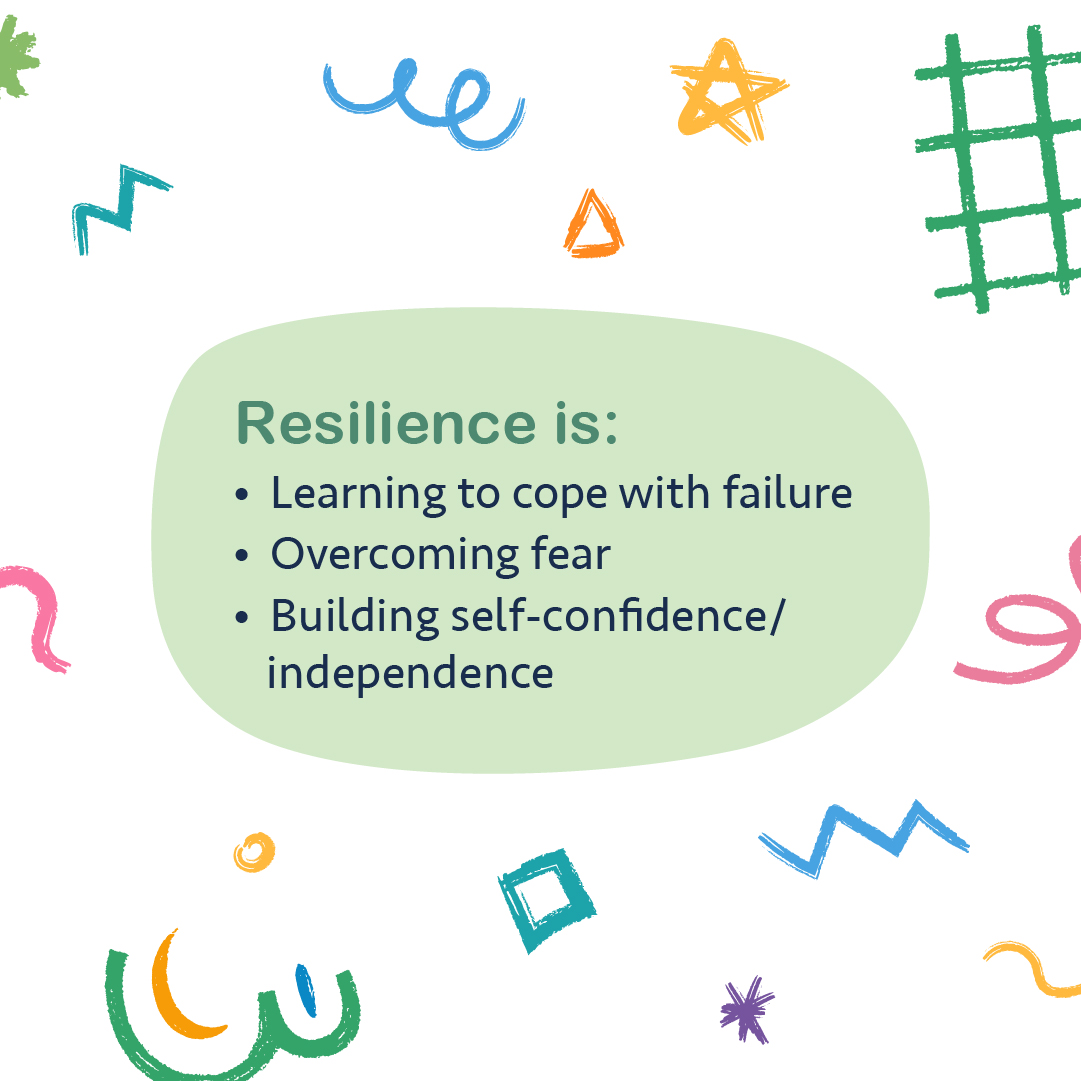
The experiences that practitioners witnessed encouraged them to support their children in building resilience through play; specifically, by supporting children in learning to cope with failure, overcome fear, build self-confidence, develop distress tolerance, and regulate negative emotions. Findings related to building resilience through play were published in the journal Child: Care, Health, and Development.
Parents fostered resilience in their kids by:
- helping their kids get back on bikes after they fell off and wanted to try again;
- sitting on their hands so they did not instinctively reach for their children when their children fell down; and
- encouraging participation in challenging and thrilling activities in forests and water while safety equipment was used.
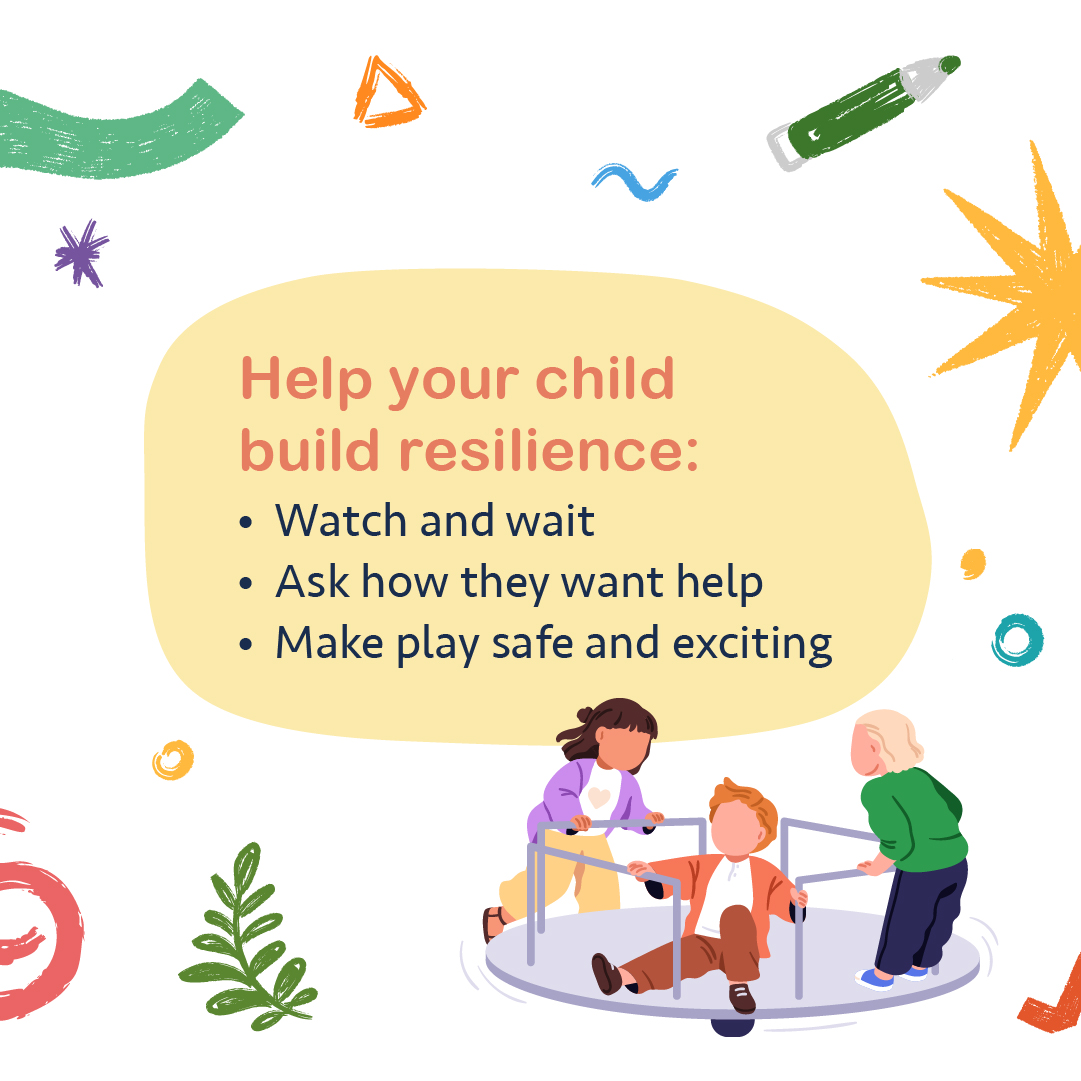
"There are a few ways that parents can raise more resilient children through play that are supported by literature and our study findings," said Dr. Bauer. "One: watch and see how your child handles challenging tasks without intervening right away."
"Two: Ask your child how they want you to help—let them tell you what makes them feel safe and happy during play. Let them lead. And three: make play both safe and exciting by encouraging risk-taking, teaching them how to avoid hazards, and using safety equipment.”
This research was supported through Drs. Bauer’s and Gilley’s receipt of a clinical and translational research seed grant from the BC Children’s Hospital Research Institute (BCCHR), Dr. Bauer’s BCCHR postdoctoral fellowship award, and additional training provided to Dr. Bauer through her participation in the Programs and Institutions Looking to Launch Academic Researchers (PILLAR) program through ENRICH, a national organization training perinatal and child health researchers.
Learn more about the study through two infographic posters:
Graphics and posters by Milica Radosavljevic


